What Makes Family Protection Dogs Reliable Household Companions
A dependable household companion brings together loyalty, affection, confidence, and a strong understanding of family routines. Dogs trained for protection can offer these qualities while developing meaningful relationships with their owners. Their ability to remain attentive, follow instructions, and adapt to everyday activities makes them valuable additions to suitable households. With consistent guidance and responsible care, https://wolfsbanek9.com/family-protection-dogs/ can represent an appealing choice for families seeking companionship alongside controlled protective abilities.
1. Stable Temperament Builds Everyday Trust
A balanced temperament is one of the most important qualities of a reliable family companion. Dogs that remain composed and responsive can participate more comfortably in household activities.
Important characteristics include:
- Emotional stability: Remaining relaxed during familiar daily activities.
- Natural loyalty: Developing strong relationships with household members.
- Confidence: Responding calmly to unfamiliar sounds and surroundings.
- Patience: Adjusting to different family routines and interactions.
- Adaptability: Becoming comfortable with changing schedules and environments.
These qualities encourage positive relationships and help create a welcoming atmosphere throughout the home.
2. Consistent Training Encourages Dependable Behaviour
Structured training helps dogs understand expectations and respond appropriately to instructions. Regular practice also strengthens communication between owners and their companions.
Useful training foundations include:
- Basic obedience: Following essential commands consistently.
- Reliable recall: Returning when called by an authorised handler.
- Controlled alertness: Recognising everyday activity without unnecessary reactions.
- Calm behaviour: Settling comfortably during quiet household moments.
- Handler responsiveness: Maintaining attention when receiving instructions.
Professional guidance and positive reinforcement can support these habits while keeping protective behaviour controlled and appropriate.
3. Socialisation Supports Positive Family Relationships
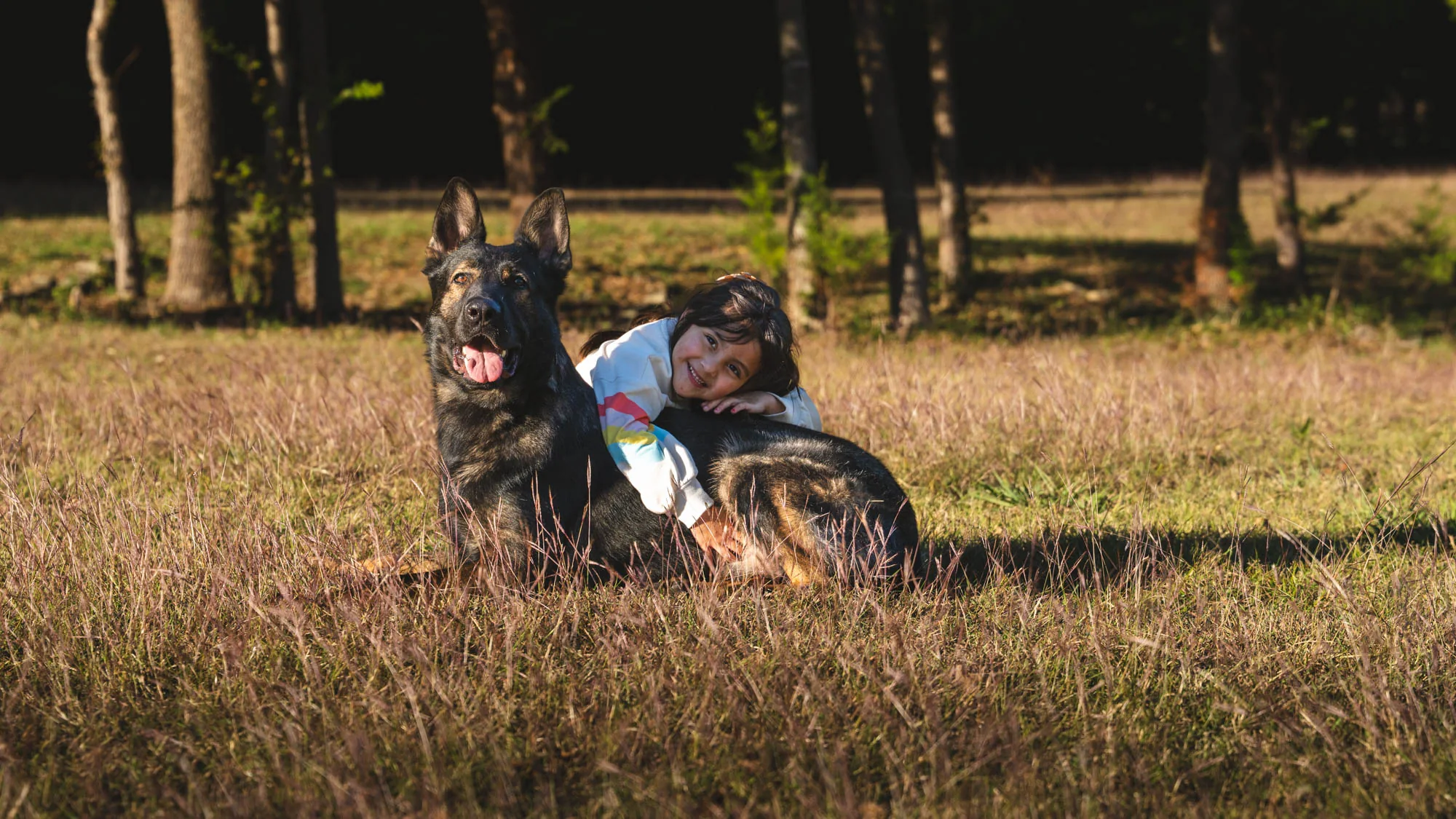
Socialisation introduces dogs to different experiences and helps them become comfortable with ordinary interactions. It is particularly important in households where several people regularly share the same living space.
Families can encourage healthy social habits through:
- Gradual introductions to familiar visitors.
- Positive experiences around different household sounds.
- Supervised interactions with children.
- Appropriate introductions to existing pets.
- Regular exposure to suitable everyday environments.
- Respectful handling that allows dogs to feel comfortable.
Adult supervision and clear household boundaries help maintain positive interactions. Children should also learn to respect the dog’s resting space and recognise when it needs personal attention.
4. Responsible Care Strengthens Long-Term Companionship
Reliability develops through everyday attention, consistent routines, and genuine commitment from owners. A well-cared-for dog benefits from a comfortable environment and regular opportunities for physical and mental activity.
Responsible ownership includes:
- Providing nutritious meals and fresh drinking water.
- Scheduling routine veterinary examinations.
- Maintaining regular exercise and enrichment activities.
- Offering comfortable sleeping and resting areas.
- Practising familiar commands throughout the week.
- Providing affection, attention, and positive engagement.
These everyday responsibilities support physical wellbeing and emotional balance.
Building a Lasting Household Bond
Reliable family protection dogs combine companionship, attentiveness, and carefully developed obedience. Their value comes from more than protective instincts because their everyday behaviour determines how comfortably they fit into family life. By prioritising suitable temperament, professional training, positive socialisation, and responsible ownership, families can establish rewarding relationships built on trust, consistency, and mutual understanding.